Observe your ordinary routine first
Notice when long stretches at the screen occur during a normal day. Several calls may run together, or a short search may quietly turn into an extended session. Record these situations briefly without turning the exercise into elaborate personal measurement. The aim is an understandable starting point for one small change, rather than another demanding system to maintain.
Distinguish fixed work commitments from habits that are easier to adjust. Someone waiting for an important call needs a different arrangement from someone leisurely organising photographs. A useful break plan has to fit the actual tasks. Treat these suggestions as practical organisation, not medical treatment or a promise that a particular timetable will prevent discomfort. Individual needs and circumstances can differ.
Attach breaks to recognisable points
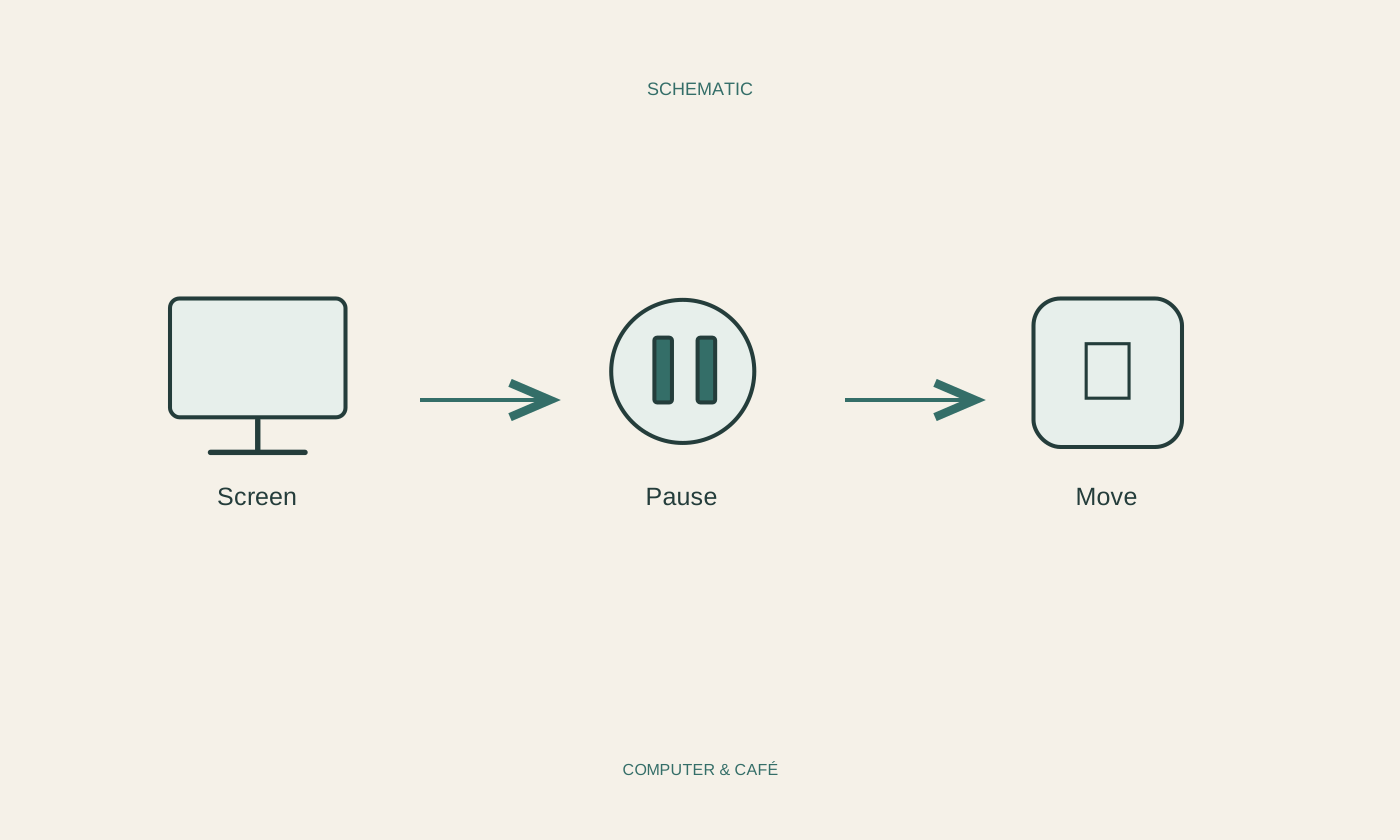
Choose a natural transition: the end of a call, a saved draft or a completed batch of paperwork. Plan a short interruption there before the next work stage begins. Such a reference point is often easier to notice than a vague intention to spend less time looking at the screen at some unspecified moment later in the day.
If reminders help, use a restrained notification or a simple timer. Too many signals quickly become things you dismiss automatically. Choose a rhythm that fits the task and adjust it when necessary. A reminder should support a decision rather than abruptly interrupt every period of concentration. Where appointments are arranged jointly, leave some space between sessions instead of filling every available minute with consecutive calls.
Give the break a different activity
Decide beforehand what you might do during the interruption. You could stand up, get water, look out of a window or take a short walk around the room. Choose something that fits your abilities and surroundings. The break need not be athletic or elaborate to mark a real change in the sequence of the day. A simple activity is easier to repeat.
Moving directly from the computer to a phone often turns the break into another screen task. Decide consciously whether that is what you want or whether you would prefer something different. Keep drinks in an appropriate place away from sensitive equipment. For existing discomfort or particular health questions, individual professional advice is more appropriate than treating a general organisational suggestion as personal treatment.
Prepare your return and adjust the plan
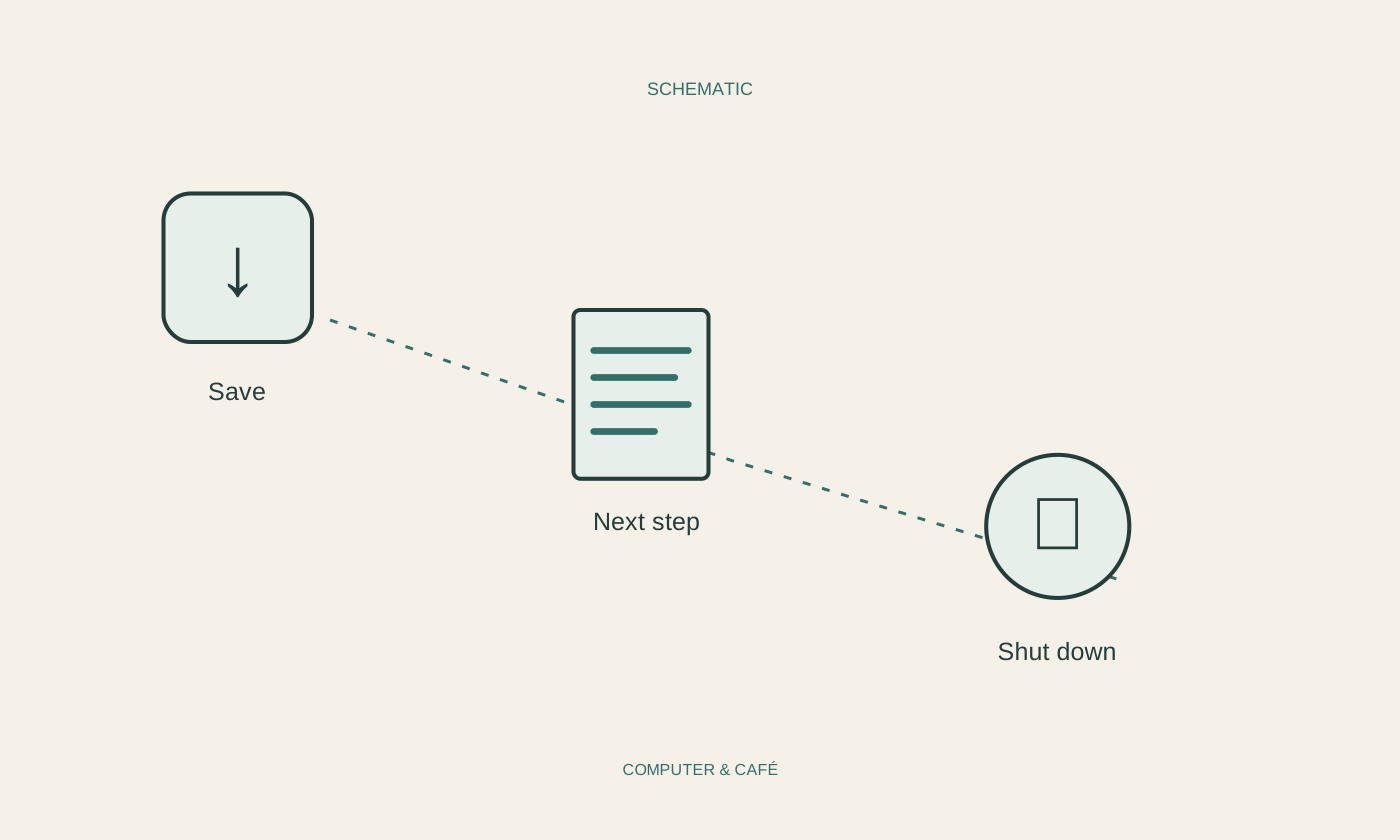
Save before stepping away and leave a short note of the next action. A sentence such as check the second invoice next makes returning easier. You do not have to reconstruct the entire task after every interruption. When confidential material is involved, lock the computer according to the rules of your setting before leaving the workspace unattended.
After a few days, review which breaks actually happened and which were repeatedly missed. Adjust the arrangement rather than making an ineffective rule increasingly strict. You may need fewer reminders, clearer task boundaries or more space between appointments. A workable plan stays small enough to survive an ordinary day and allows for days when work unfolds differently. Its value is in practical use, not in perfect adherence to a complicated schedule.
Attach short breaks to recognisable work stages and review what actually works in your routine.