Reading a message does not finish its task
A read message may still require you to check a date, file an invoice or wait for an answer. If read and unread are your only distinctions, those obligations can disappear among incoming news. When reading, decide whether the message requires an action or simply contains information you may want to keep.
Begin with current mail rather than reorganising the entire historical mailbox. For each message, choose whether to answer briefly now, record a specific task or file it without further action. A substantial request should not receive a rushed response merely to make the inbox look emptier. The aim is a dependable view of commitments, not a particular number beside the folder name.
Use a small number of working states
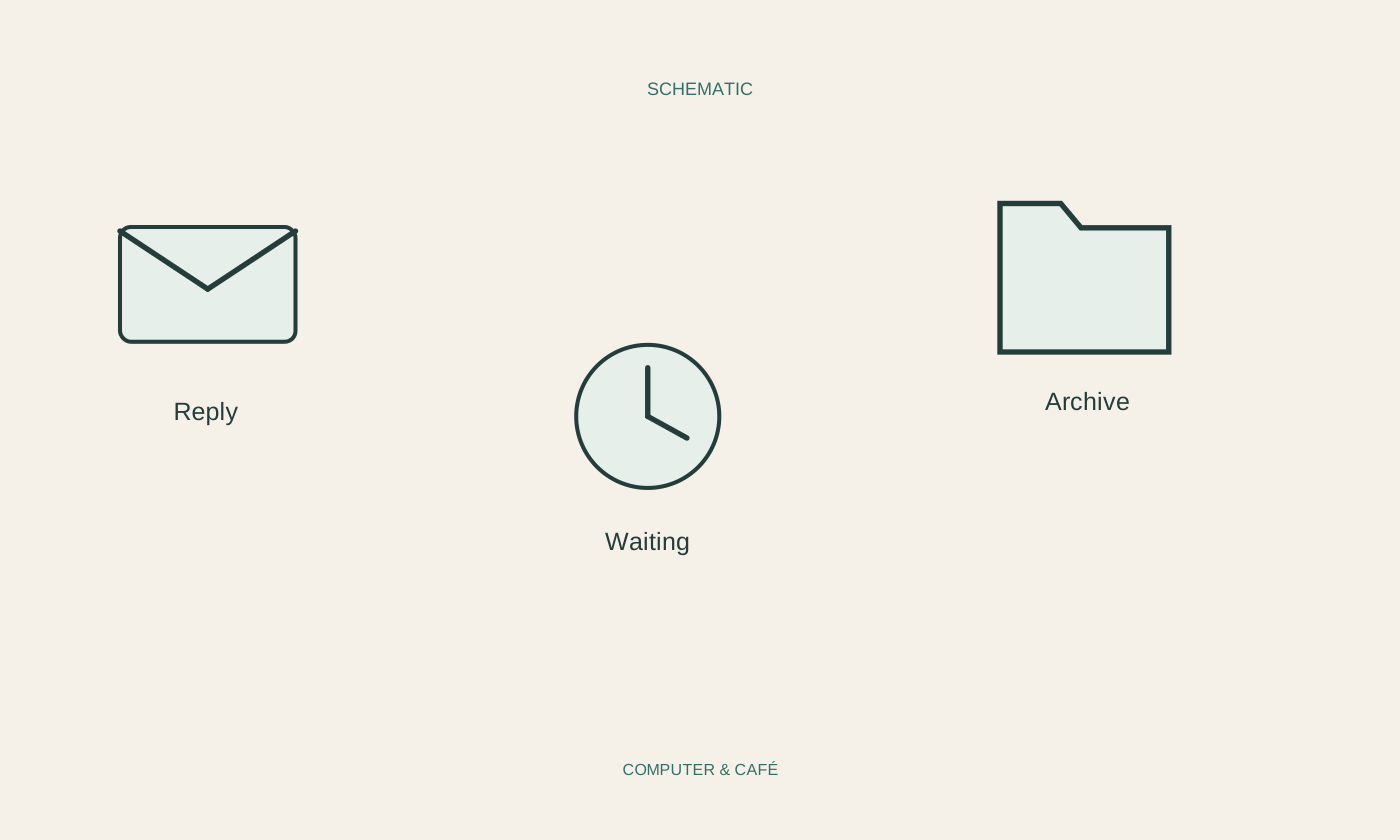
A place for replies you are waiting for and another for your own next actions may be enough. Folders, flags or a task list can all serve this purpose, depending on the program and your habits. Apply the states consistently instead of building several competing systems. A real appointment also belongs in the calendar if that is where you rely on reminders.
Write an action so that you can understand it without rereading the entire conversation. Review quotation and reply by Thursday is more useful than deal with email. Retain a connection to the message, such as sender and subject. Where there is no agreed deadline, avoid inventing urgency; choose a realistic time to process it instead.
For waiting items, specify who or what you are waiting for. A submitted application and an ordered delivery may both remain open but need different follow-up. Review this small collection regularly. A flag only becomes useful when you return to it, rather than treating the act of adding a marker as if it completed the task.
Introduce rules with a limited trial
Rules can move recurring information, such as newsletters, away from immediate attention. Test a new rule on a few unimportant messages first. Consider whether an important sender might use the same terms. An overly broad rule could move an invoice or changed appointment together with routine announcements.
Move messages into a reviewable folder rather than deleting them automatically at first. Check what arrives there during the first few days. Personal replies and significant deadlines often deserve deliberate review more than an increasingly elaborate chain of filters. Unsubscribe from unwanted legitimate newsletters through the known provider; do not respond to suspicious mail through unverified links merely to reduce clutter.
Keep the review short and regular
At a suitable point, review your own actions and waiting items. Remove completed flags and add new information. When a subject is finished, its conversation can move to the archive. Archiving should reduce inbox noise without undermining necessary retention or your ability to find a receipt later.
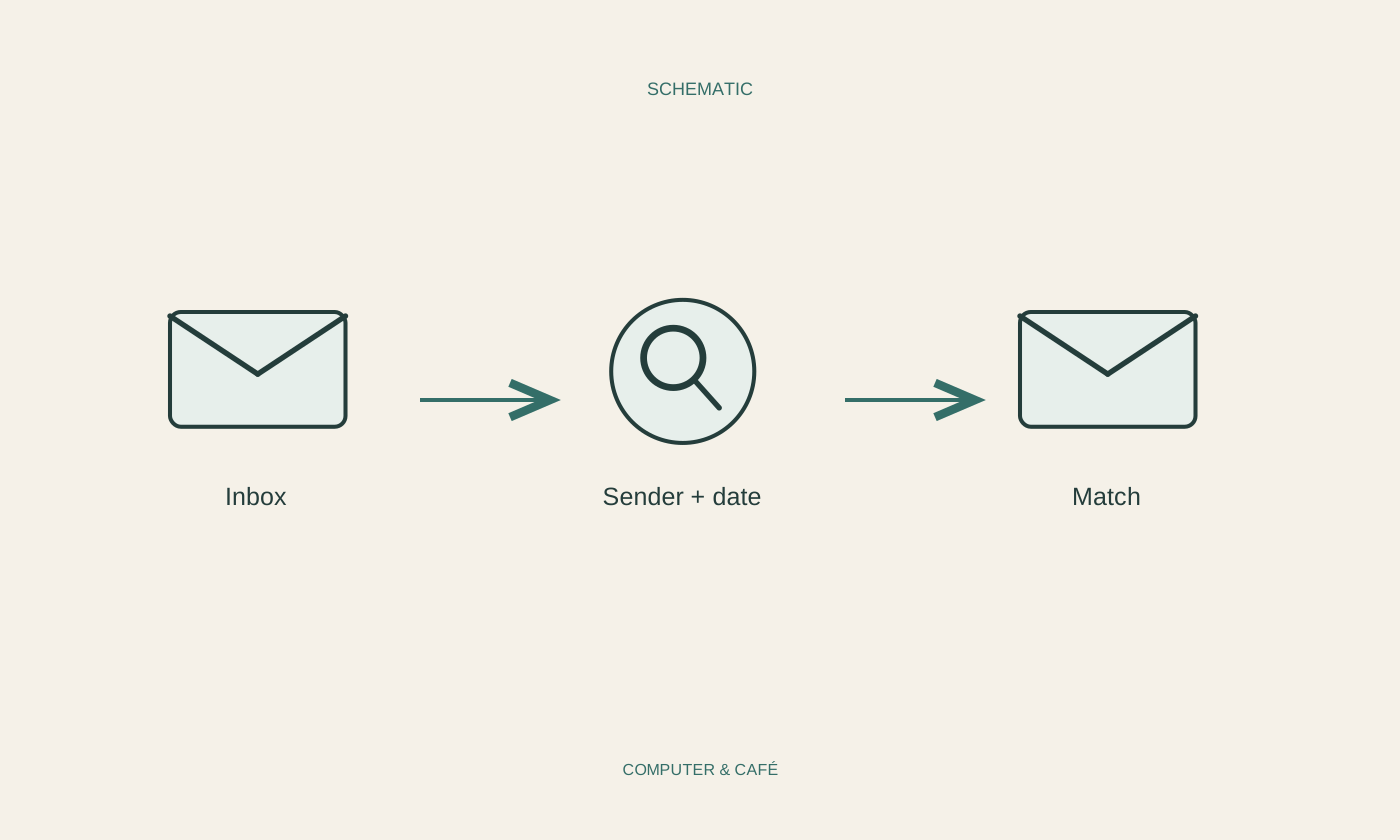
Occasionally retrieve an older completed message to check that the arrangement works in practice. Sender, subject and date are often more useful than deeply nested folders. If you repeatedly move a message around without handling it, identify the missing next action instead. Organisation has succeeded when it helps you make decisions, rather than becoming the main activity in its own right.
Organise around next actions and things you are waiting for. Read does not mean finished.